
Typically, when considering the effects of dehydration, people focus on signs such as headaches, fatigue, and possibly dry skin, rather than the condition of their mouths. However, oral health is one of the first areas affected when the body is low on fluids.
The mouth functions as a dynamic ecosystem, with a warm, moist environment that supports both beneficial and harmful bacteria. When conditions are balanced, oral health is maintained. However, dehydration disrupts this balance, reducing saliva production and increasing harmful bacteria, which can worsen minor issues. Problems such as cavities, gum inflammation, and bad breath often indicate such imbalances in this system.
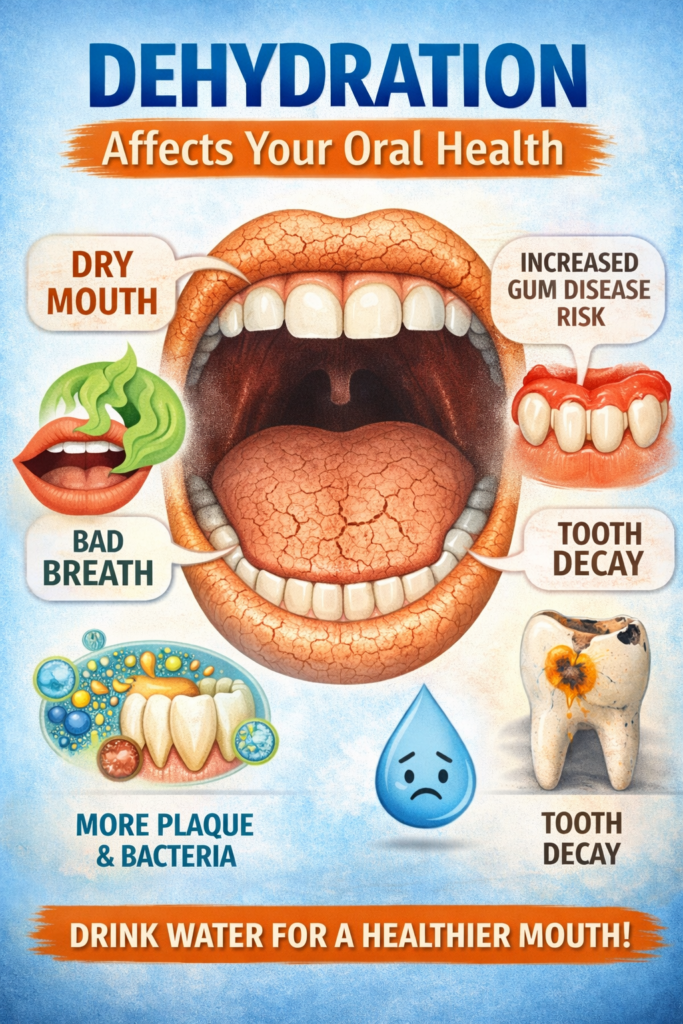
Saliva helps maintain oral cleanliness by washing away debris and limiting bacterial growth. When saliva production decreases, these protective benefits diminish, potentially creating an environment prone to damage. Dehydration causes a sensation of dryness and also alters the overall chemical balance in the mouth.
What Is Dehydration?
Dehydration occurs when the body loses more fluids than it consumes, a situation that is more common than it might seem. It is not necessary to be in extreme conditions, such as being stranded in a desert, to experience dehydration. A dentist in Guntur will educate. Everyday activities like consuming inadequate water, drinking excessive coffee, engaging in strenuous exercise, or spending prolonged periods in air-conditioned spaces can gradually lower fluid levels in the body.
Approximately 60% of the human body consists of water, which is essential for every cell, tissue, and organ. If fluid levels decrease, the body prioritizes vital organs such as the brain and heart. Consequently, the production of saliva, which is not deemed critical for survival, is reduced first.
Saliva is a complex fluid composed of enzymes, minerals, and antibacterial compounds and is not simply “spit.” When dehydration occurs, it reduces saliva flow, leading to a dry and sticky mouth that becomes more susceptible to issues. This dryness serves as an indicator of potential problems.
Why Oral Hydration Matters More Than You Think
Brushing and flossing are often considered sufficient for maintaining oral health. Although these practices are essential, adequate hydration plays a critical role in enhancing their effectiveness. A lack of saliva can undermine even the most diligent brushing routine.
Saliva does three major things:
It removes food particles.
neutralizes harmful acids.
and supplies minerals that restore enamel.
Imagine brushing your teeth without ever rinsing the toothbrush. This is similar to how your mouth feels in the absence of saliva, where food residues persist, acids remain on enamel, and bacteria accumulate.
It is important to maintain a neutral pH balance in the mouth. Consumption of sugary or acidic foods can lower pH and create an acidic environment that weakens dental enamel. Saliva plays a key role in this process by acting as a buffering system to restore balance. Insufficient saliva allows acid to remain in the mouth longer, raising the risk of developing cavities.
An often overlooked fact is that hydration impacts breath. Chronic bad breath frequently originates from a dry mouth, as reduced saliva levels allow odor-producing bacteria to thrive. Mouthwash alone cannot completely address this issue.
The Crucial Role of Saliva in Oral Health
Saliva, although not often considered appealing, plays a crucial role in maintaining oral health. The human body produces approximately 0.5 to 1.5 liters of saliva daily, which is essential for this purpose.
Saliva primarily consists of water, but it also includes additional components such as:
- Electrolytes
- Calcium and phosphate
- Proteins and enzymes
- Antibacterial compounds
Digestion begins when enzymes such as amylase break down food as it enters the mouth. In addition to its digestive role, saliva acts as a cleansing agent. With each swallow, saliva helps remove residual food particles and bacteria.
It plays a significant role in remineralization. Enamel consistently loses minerals due to acid exposure, and saliva helps restore calcium and phosphate to weakened areas, repairing early damage before it develops into a cavity.
Preventing Dehydration-Related Oral Problems
Dehydration can affect oral health, but it is manageable with simple, consistent habits. Instead of relying on costly treatments or complex routines, staying aware and using a strategic approach can be effective.
Think of your mouth as a garden. With regular care and attention, it stays healthy, but neglect can quickly cause problems. Bacteria can multiply like weeds, enamel may weaken as dry soil does, and gums can become irritated. The key to maintaining oral health is consistent care, not drastic measures.
The prevention of oral issues related to dehydration relies on three key principles:
- Establishing smart daily hydration habits,
- Maintaining adjusted oral hygiene routines and
- Seeking regular professional dental care are important practice.
Daily Hydration Habits
Maintaining proper hydration might seem straightforward, as it simply involves consuming water. However, it also concerns the timing and method of hydration. Many individuals tend to drink water only when they experience thirst. The important point here is that thirst is an advanced indicator of dehydration. By the time thirst is felt, saliva production may have already decreased.
1. Sip Consistently, Don’t Chug Occasionally
Drinking a large bottle of water once or twice a day may not be as effective as maintaining hydration by sipping water throughout the day. Consistent hydration is essential for adequate saliva production, and taking small, frequent sips can help keep the mouth moist and support saliva flow.
2. Start and End Your Day With Water
Saliva production naturally decreases during sleep, leading to dry mouth overnight and contributing to “morning breath.” Drinking water immediately upon waking helps rehydrate oral tissues and stimulate saliva production.
3. Balance Caffeine and Alcohol Intake
Consuming coffee, tea, and alcohol can cause dryness, especially with excessive intake. It is not necessary to completely avoid these beverages; instead, consume them in moderation. It is advisable to follow each caffeinated or alcoholic drink with a glass of water to maintain balance.
4. Eat Water-Rich Foods
Cucumbers
Watermelon
Oranges
Strawberries
Celery
5. Use a Humidifier if Needed
Using a humidifier in a dry room, especially during winter or in air-conditioned environments, can help relieve overnight dryness and protect oral tissues.
Daily hydration habits are essential, as they form the foundation for overall well-being, and without them, other activities become more challenging. However, maintaining proper hydration alone is not sufficient; it is also important to adjust dental care routines when dryness becomes a concern.
Oral Hygiene Adjustments
If you experience dry mouth, it is important to enhance your oral hygiene routine. While regular brushing and flossing are necessary, a decrease in saliva levels means your mouth may need additional care.
1. Choose the Right Toothpaste
Look for fluoride toothpaste formulated for people with dry mouth or sensitive teeth. Fluoride strengthens enamel and supports remineralization, which can be reduced by decreased saliva production.
2. Avoid Alcohol-Based Mouthwashes
Many commercial mouthwashes contain alcohol, which may increase dryness. It is advisable to choose alcohol-free, hydrating rinses that help control bacteria while maintaining moisture.
3. Brush Gently but Thoroughly
When experiencing dry mouth, tissues may become more sensitive. It is advisable to use a soft-bristled toothbrush to prevent gum irritation. Brush twice daily for at least two minutes, paying particular attention to the gumline, where plaque tends to accumulate rapidly in conditions of low saliva.
4. Floss Daily (Non-Negotiable)
In the absence of sufficient saliva, food particles are not as easily removed. As a result, flossing becomes increasingly important, as it helps eliminate debris from areas that saliva cannot reach, such as between the teeth.
5. Stimulate Saliva Naturally
Sugar-free chewing gum, especially that containing xylitol, can increase saliva production. Xylitol also helps reduce bacteria that cause cavities. It is a simple and effective option for individuals experiencing daytime dryness.
Professional Dental Care
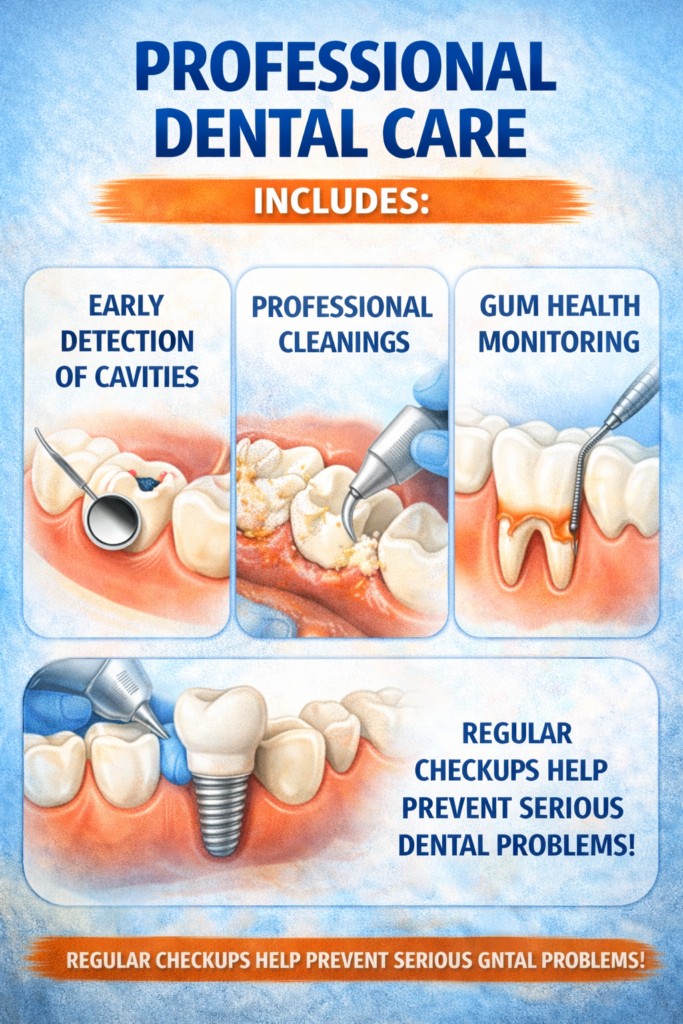
Regular professional dental care is essential in preventing oral issues associated with dehydration, even if you maintain excellent oral hygiene at home. Dentists can identify early indications of damage well before any pain is experienced or visible changes occur.
1. Early Detection of Cavities
A dry mouth significantly increases the risk of developing cavities. Dentists can detect early enamel demineralization and provide preventive measures, such as fluoride varnishes, to prevent cavity formation.
2. Professional Cleanings
Tartar forms more rapidly from plaque when saliva flow is reduced, and regular dental cleanings are necessary to remove buildup that cannot be addressed by brushing alone.
3. Gum Health Monitoring
Dehydration can cause gum inflammation and bleeding. Regular dental checkups help prevent early-stage gingivitis from progressing to periodontitis.
4. Customized Prevention Plans
Each individual’s oral health needs are different. A dentist can offer personalized advice by considering factors such as age, medications, medical history, and lifestyle. For example, older adults taking multiple medications may need more intensive hydration strategies.
Professional Dental Care
Professional dental care is essential in preventing oral problems related to dehydration, even when maintaining excellent habits at home. Dentists are able to identify early signs of damage before any pain is felt or visible changes are observed.
Here’s how professional care helps:
1. Early Detection of Cavities
A dry mouth significantly increases the risk of cavities. Dentists can identify early signs of enamel demineralization and provide preventive treatments, such as fluoride varnishes, to help prevent cavities.
2. Professional Cleanings
Tartar forms more quickly from plaque when saliva flow is reduced. Regular dental cleanings are necessary to remove deposits that cannot be eliminated by brushing alone.
3. Gum Health Monitoring
Dehydration can cause gum inflammation and bleeding, while regular dental check-ups help detect early signs of gingivitis and prevent it from progressing to periodontitis.
What to Avoid
Let us discuss the factors that can undermine oral hydration. Certain drinks and foods may provide temporary relief from thirst, yet they can subtly counteract effective hydration.
1. Sugary Soft Drinks
Soda poses a dual challenge because of its high sugar and acid content. The sugar nourishes bacteria, while the acid weakens enamel. Additionally, reduced saliva can worsen these effects.
2. Sports and Energy Drinks
These products are often marketed as hydration solutions, but many contain high levels of sugar and citric acid. For athletes, regular consumption may increase enamel erosion.
3. Alcohol
Alcohol functions as a drying agent by reducing saliva production and potentially irritating oral tissues. Prolonged use may elevate the risk of dry mouth and unpleasant breath.
4. Excessive Coffee
Coffee itself is not inherently bad, but it can lead to dryness and staining of the teeth. Consuming water alongside coffee may help mitigate its drying effects.
5. Sticky and Sugary Snacks
Caramel, dried fruit, and chewy candies tend to stick to tooth enamel. In a well-hydrated mouth, saliva aids in removing these sugars. However, in a dry mouth, they remain for a longer duration, providing sustenance for bacteria.
Smart Hydration Strategy for Your Mouth
- Maintain steady hydration by drinking water throughout the day.
- Consume fruits and vegetables that are crunchy and high in water content.
- After consuming acidic or sugary foods, rinse your mouth with water.
- Counteract the effects of drying beverages by increasing your water intake.
Each sip and bite can either benefit or challenge your oral health. By selecting hydrating foods and beverages, you not only prevent dry mouth but also reinforce enamel, safeguard gums, and control harmful bacteria.
